
Write-offs should go through an internal approval process to ensure accuracy. Large companies typically require authorization from financial managers or auditors before recording a write-off. Inventory write-offs happen when a company’s stock loses its value due to expiration, damage, or obsolescence. Businesses in industries such as food, fashion, and technology often deal with this issue.

If you qualify for other personal tax credits
The distinction between a write-off and a write-down primarily hinges on the extent of the adjustment. While a write-down involves a partial reduction in the asset’s recorded value, a write-off indicates that the asset is no longer expected to generate revenue. Typically, this happens when an asset is so severely impaired that it no longer serves the owners any productive or useful purpose. The employees that travel to different areas of the city for repair/installations for work – the company can write-off kilometers of cars from taxes. While the credit is nonrefundable, you can carry forward any unused credit for up to five years. Qualifying expenses include tuition, fee payments and required books or supplies for post-secondary education for yourself, spouse or dependent child.
Understanding Tax Write-Offs

For example, if you owe $1,000 in taxes and have a $200 tax credit, you only pay $800. Write-offs lower your income first, which can also lower your tax bill. It’s important to keep a couple of points in mind about business expense write-offs. First, you must keep a record of all your income and expenses, as you’ll need these documents to support your deductions.
Definition of a Write-Off
For example, if a business claims a $5,000 tax write-off, it doesn’t get $5,000 back. Instead, it reduces the company’s taxable income by $5,000, which means they save only a percentage of that amount based on their tax rate. Certain personal expenses, such as student loan interest or home office expenses for self-employed individuals, can be deducted to reduce taxable income.
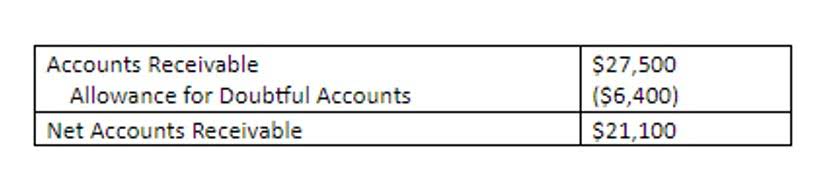
It is beneficial from the tax point of view but it may result tax right off meaning in a loss-making activity if any business over-indulges in writing-off. This happens when the book value of an asset is below its fair value. For example, if damaged equipment is partially usable, it can be written down or if a debt is partially paid off by the debtor, it will again be partially written down.
How Tax Write-Offs and Deductions Work
- SmartAsset Advisors, LLC («SmartAsset»), a wholly owned subsidiary of Financial Insight Technology, is registered with the U.S.
- But the downside is that you have to spend money to get that benefit, and you must follow the rules to the letter.
- Tax evasion is contradictory to it, as this practice involves illegally not reporting income.
- Keep track of bank statements, invoices, and receipts for your deductible expenses.
- To make sense of the way different ways deductions work, the IRS organizes them into three main categories.
If you itemize, you may be able to write off the value of qualifying charitable gifts — whether they’re in cash or property, such as clothes or a car — from your taxable income. Per the IRS, you can generally deduct up to 60% of your adjusted gross income. If you pay an accountant, lawyer, or other financial professional normal balance to help run your business, their fees may be deductible for tax purposes. Legal and professional fees are fully deductible if they are related to the operation of your business and documented correctly. Tax write-offs for your business are calculated using expense tracking reports. Throughout the year, it’s essential to keep records for all business-related expenses.

What Can You Write Off on Taxes? Standard Tax Deductions for Small Businesses

A tax write-off or deduction, is a business expense that can reduce your taxable income, affecting the calculation of your federal income tax. If your itemized deductions exceed the standard https://www.bookstime.com/ deduction, you can claim below-the-line tax deductions, such as medical expenses, mortgage interest, and charitable contributions. You subtract them from your AGI to arrive at your final taxable income. Tax write-offs are expenses that individuals and businesses can claim to reduce their taxable income. By claiming all eligible deductions, small business owners can reduce their income tax bill and save money.
